Water & catchments.
Connect what happens on your site to the wider catchment, with water quality and drainage advice.

SPECIALIST PERSPECTIVE
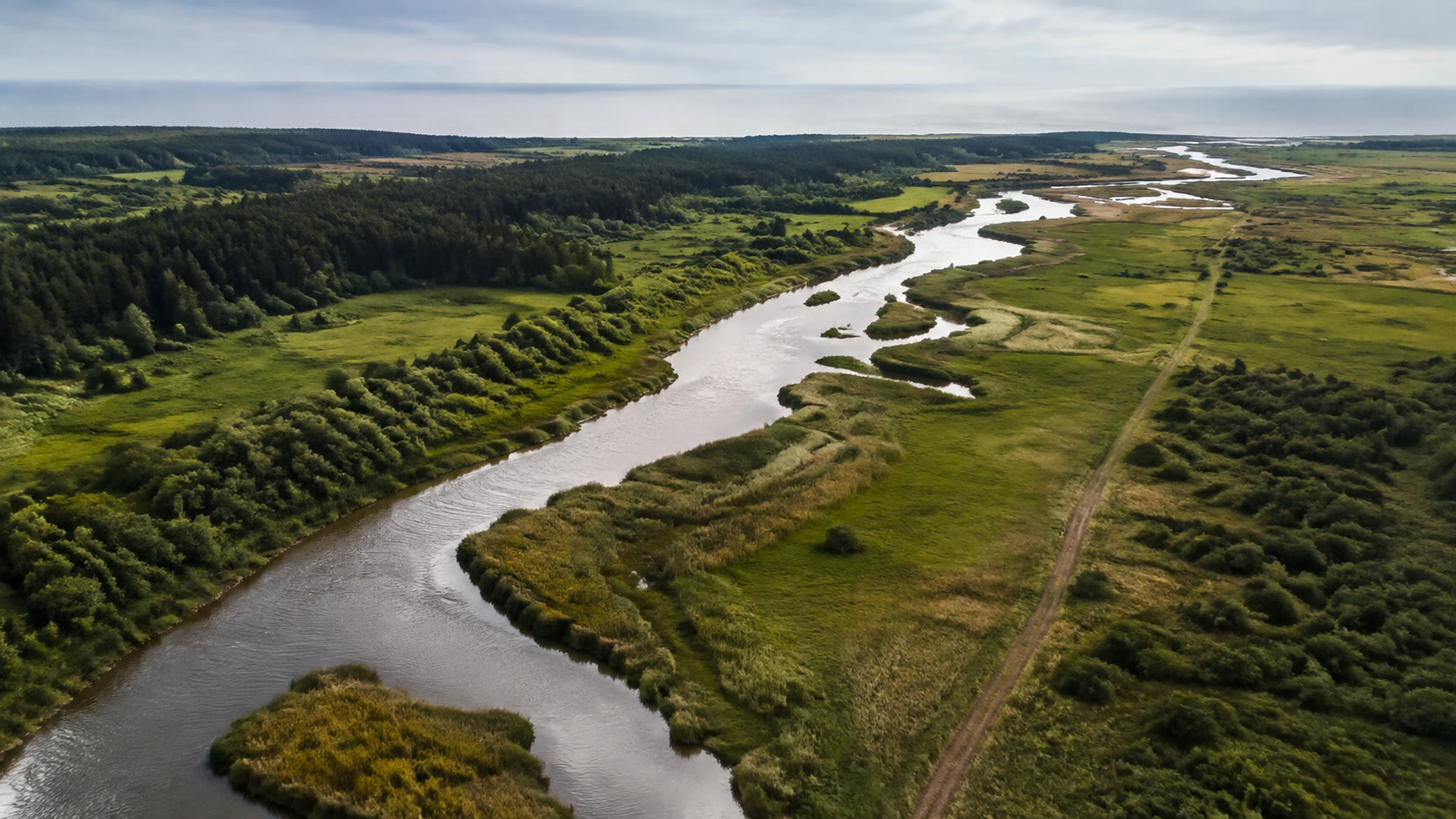
See the whole catchment.
Connect what happens on your site to the wider catchment, with water quality and drainage advice.
- ↗Desk-based review and site history
- ↗Site walkover and evidence review
- ↗A clear summary of material questions
- ↗Recommendations for the next stage
CLEAR DELIVERABLES
What your team can work with.
We agree the scope and format before work starts, so each output has a clear job to do.
| Output | What it gives you | Useful for |
|---|---|---|
| Site context review | A concise account of site history, available records and information gaps. | Acquisition and initial feasibility |
| Field survey record | Observations, methods and mapped findings from the agreed survey. | Design development |
| Constraints plan | Spatial information to support a conversation with the wider design team. | Layout and option selection |
| Recommendations note | Priorities, limitations and a proposed route for further work. | Next-stage scope |
HOW WE WORK
A clear route through the work.
A named project lead keeps the programme connected and makes sure findings reach the people who need them.
01 / THE BRIEFListen & define
+
We discuss the site, the decision and the timescale. Together we agree the scope, available information and how you want to work.
An agreed scope and named project lead
02 / THE EVIDENCEInvestigate & understand
+
Specialists review existing information and complete the agreed fieldwork. We flag new questions as the evidence develops.
A connected record of findings
03 / THE PICTUREInterpret & advise
+
We explain what the evidence means for your project, including limitations and the options that deserve further discussion.
Clear advice for your next decision
04 / THE HANDOVERSupport the next step
+
We walk your team through the outputs and agree what happens next, whether that is more detail, a design response or continued monitoring.
An informed handover and next-stage plan
ON THE GROUND
Related project experience.
Explore how this discipline contributes to a wider brief.
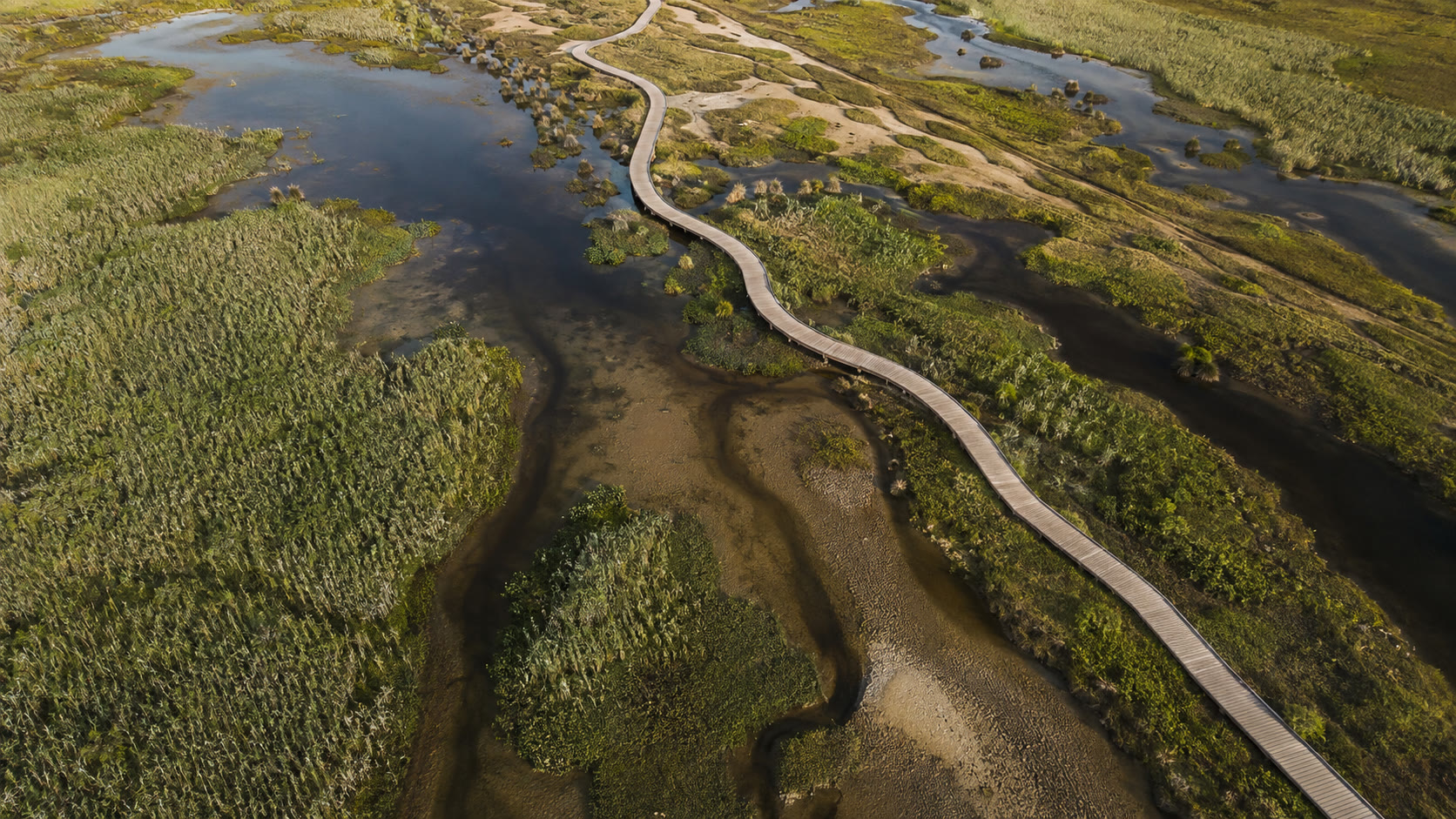
A coastal landscape, reconnected
Field evidence shaped a habitat restoration brief and a careful route for public access.
COMMON QUESTIONS
A few useful answers.
If your question is specific to a site or project, let us talk it through.
When should we speak to an environmental consultant?+
Early conversations help define the questions you need answered. Share the site location, your intended use and the decision you are working towards. We can then discuss a suitable scope and the information already available.
Can you work with our planning and design team?+
Yes. A named project lead coordinates the relevant specialists and agrees how environmental findings will be shared with your wider team.
What should we include in the first enquiry?+
A site address or location plan, a short description of the project, any known constraints and your target dates are a useful start. Tell us which existing reports you have, rather than sending confidential material before a scope is agreed.
Do you take on small or early-stage projects?+
We can scope a focused piece of advice as well as a coordinated programme. The first conversation establishes what you need and whether our team is the right fit.
YOUR NEXT PROJECT
Let us look at the bigger picture.
Tell us where you are starting and what you need to understand.