The early-stage site briefing checklist.
An editorial resource in the Fieldwork theme demo.
Start with the decision
A strong brief explains the decision you are working towards. Are you assessing a potential acquisition, developing a design, planning an investigation or reviewing how a site is managed?
That context helps a consultant suggest an appropriate scope, rather than assuming you need a familiar list of reports.
Gather what you already know
Bring together a location plan, the proposed use, existing studies and any known site constraints. Note the source and date of the information and identify where access or ownership needs to be discussed.
You do not need every answer before the first conversation. A useful brief distinguishes what is known from what still needs to be explored.
Make timing and access visible
Explain the decision date, project dependencies and any site access constraints. Some fieldwork is sensitive to season or conditions, so discuss the programme with the relevant specialist before setting assumptions.
Agree what a useful output looks like
Consider who needs to use the findings. A technical report, a constraints plan and a conversation with the design team serve different purposes. Discuss the format and level of detail before the work begins.
THE JOURNAL
Notes from the practice.
Observations and ideas from the people working on the ground.
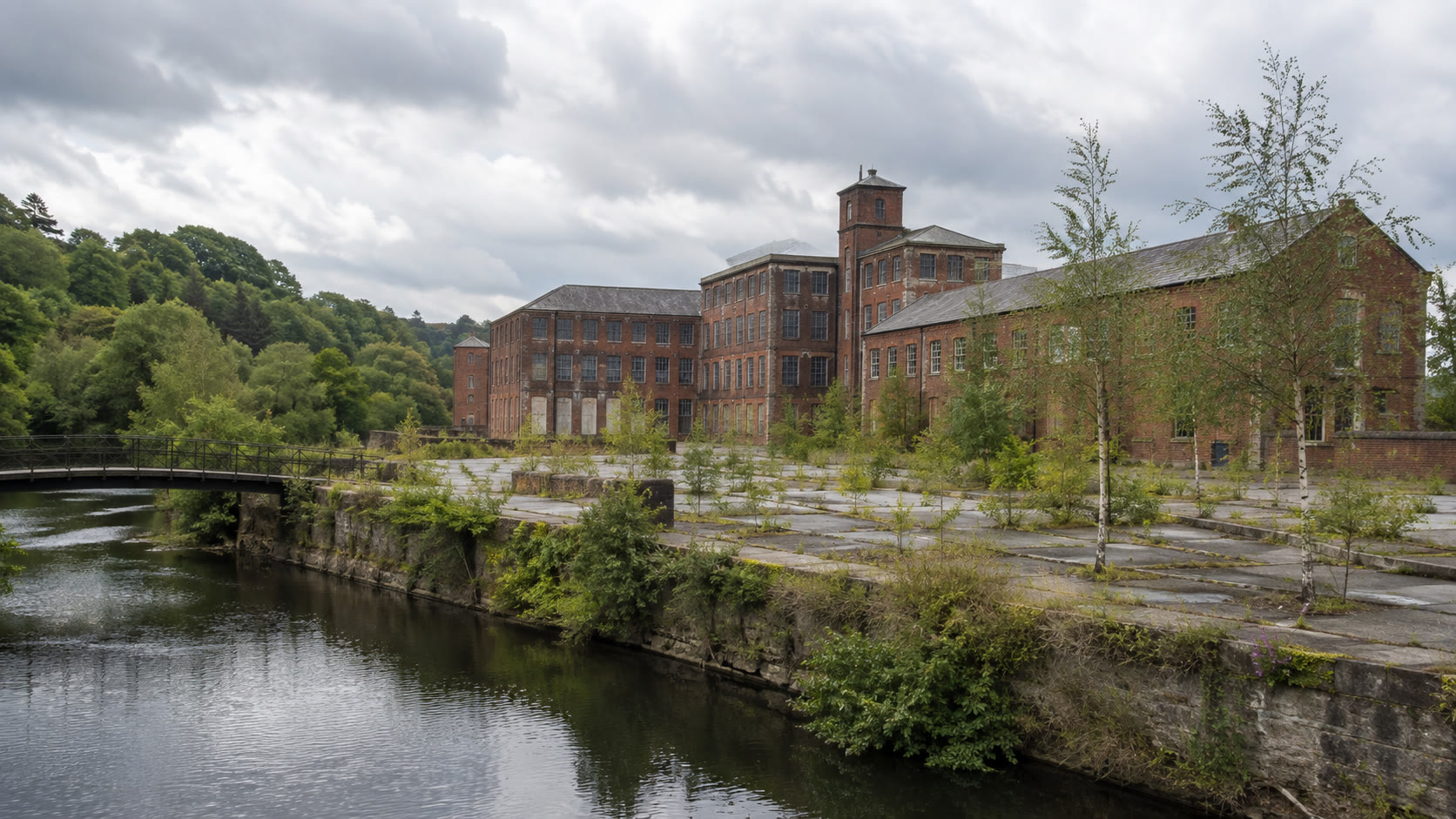
8 minute readThe early-stage site briefing checklist
The information that helps a consultant understand your site, your decision and your timescale.
Read field note
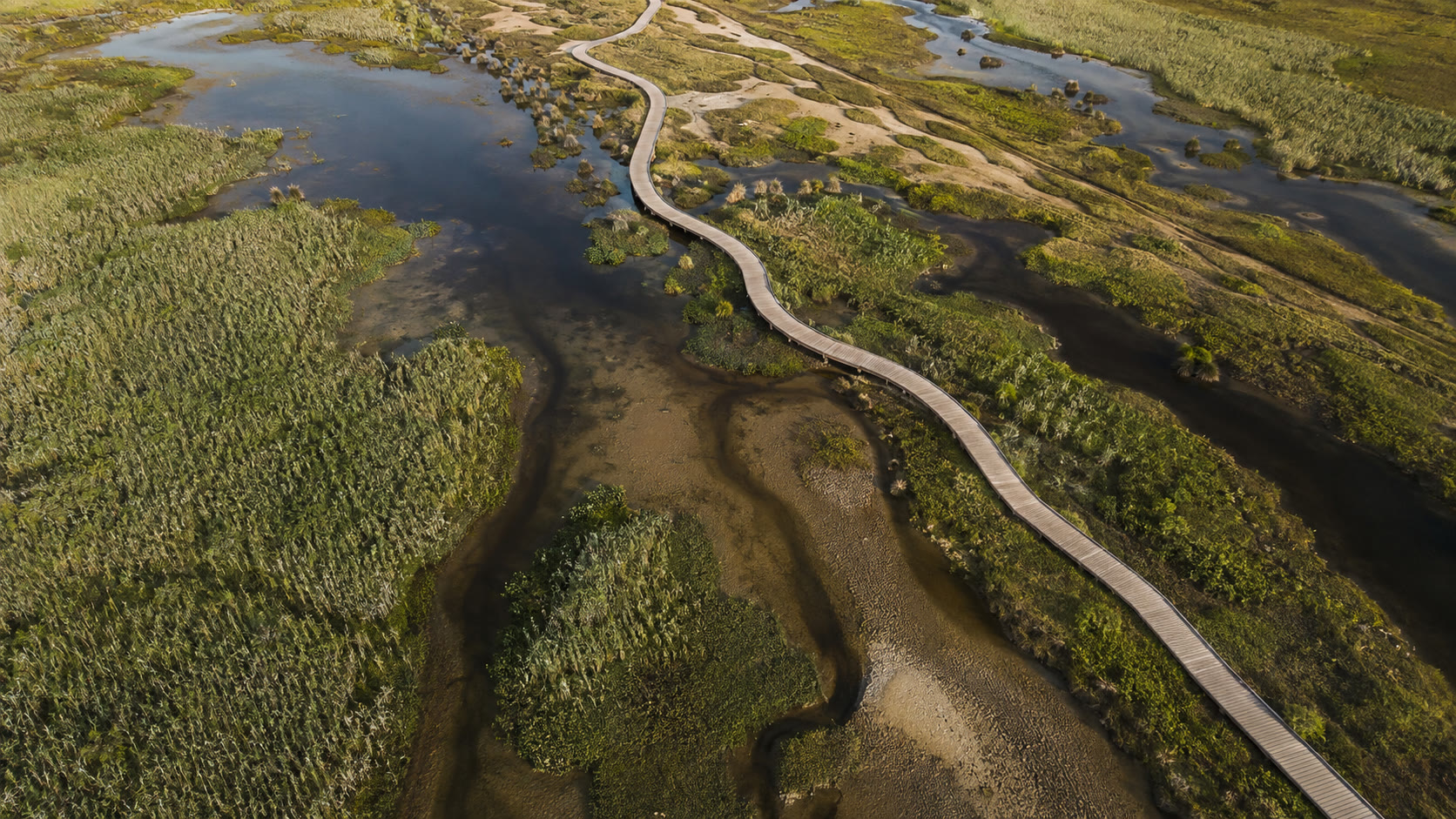
6 minute readMake space for ecology in your programme
A project planning conversation about survey scope, access and seasonal information needs.
Read field note
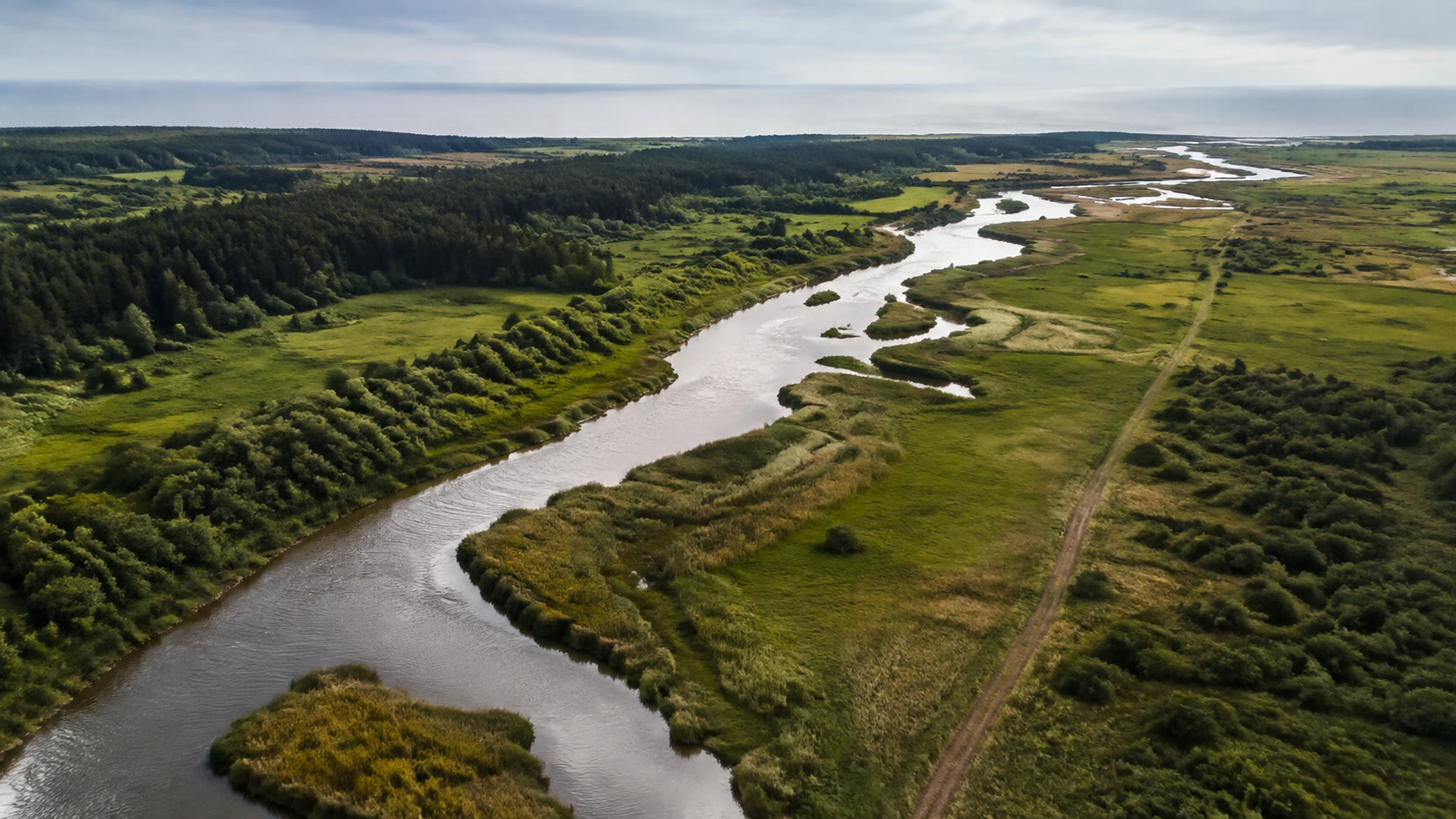
5 minute readThinking beyond the site boundary
How a catchment view changes the questions you ask about a development site.
Read field noteYOUR NEXT PROJECT
Let us look at the bigger picture.
Tell us where you are starting and what you need to understand.